Solar Panels
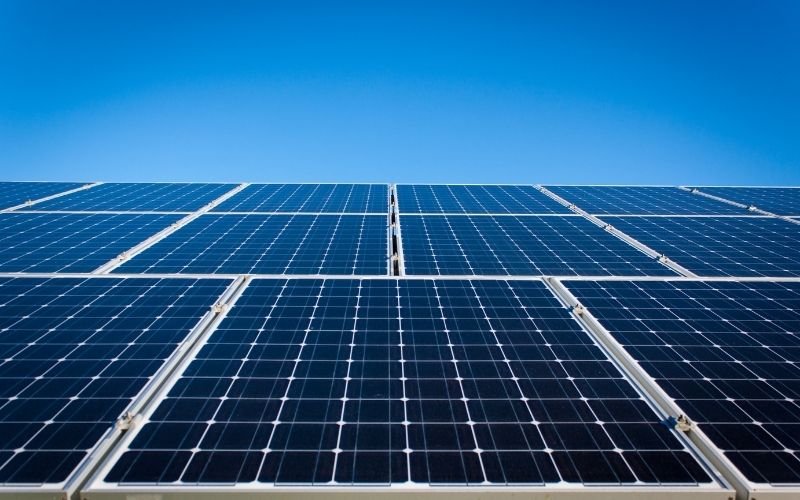
Photovoltaic modules capture sunlight and convert it into direct-current electricity.

On-Grid Solar Solutions
Generate clean electricity from your rooftop, use solar power during the day, and send surplus generation to the grid through a bi-directional meter. Nexren helps you choose, design and install an on-grid solar system around your energy requirements.
On-Grid Rooftop Solar
An on-grid solar system, also called a grid-tied solar system, connects your solar installation directly to the electricity grid. Solar panels generate electricity during the day, your property uses the power it needs, and excess generation can be exported through a bi-directional meter.
This type of system is particularly suitable where the electricity grid is reliable and the goal is to reduce electricity costs without adding a battery bank. The final system should be sized around your consumption, roof conditions, local regulations and available net-metering arrangements.
An on-grid installation commonly includes solar panels, an inverter, mounting structures, a bi-directional meter and electrical protection and connection accessories.
Share your basic details and electricity usage. Our team can help you understand system sizing, expected generation and the next steps.
System Components
A dependable grid-connected solar plant is more than a collection of panels. Each component has a specific role in generating, converting, protecting, measuring and delivering electricity.
Photovoltaic modules capture sunlight and convert it into direct-current electricity.
The inverter converts DC electricity from the panels into AC electricity that can be used by your property.
Engineered mounting structures hold the modules securely while maintaining the required orientation and tilt.
AC/DC cables, protection devices, combiner equipment, earthing and connectors help complete the electrical system.
A net meter records electricity imported from and exported to the grid, subject to the applicable local arrangement.
Ready to Go Solar?
Talk to Nexren about system sizing, installation, grid connection requirements and the next steps for your property.
Compare Solar Systems
The main difference between the three systems is how they interact with the utility grid and whether they use battery storage.
| Feature | On-Grid | Off-Grid | Hybrid |
|---|---|---|---|
| Connected to utility grid? | Yes | No | Yes |
| Battery storage? | Normally no | Yes | Yes |
| Backup during grid outage? | Normally no | Yes | Yes, for configured loads |
| Can export surplus? | Yes, subject to local rules | No utility-grid export | Where permitted by DISCOM/metering rules |
| Best suited for | Properties with reliable grid power that primarily want to reduce electricity bills. | Locations where grid power is unavailable or highly unreliable. | Properties that want solar savings plus battery backup while retaining grid connectivity. |
| Upfront cost | Lowest of the three in typical installations | Higher because of battery storage | Higher because of battery + hybrid hardware |
Government Support
The supplied reference material states that the central government subsidy for eligible residential rooftop systems is linked to installed capacity, with the central amount reaching ₹78,000 for systems of 3 kWp and above.
Eligibility, documentation, DISCOM requirements and applicable state-level incentives can vary. Nexren can help you understand the process before installation.
| System Size | Central Subsidy* |
|---|---|
| 1 kWp | ₹30,000 |
| 2 kWp | ₹60,000 |
| 3 kWp and above | ₹78,000 |
*Indicative central subsidy figures based on the supplied reference material. Actual eligibility and current programme terms should be verified before quoting a customer.
Solar Cost Guide
Solar system pricing is not a single fixed number. Capacity, location, DISCOM charges, panel and inverter selection, mounting structure, roof height, after-sales support and other project requirements can all affect the final quotation.
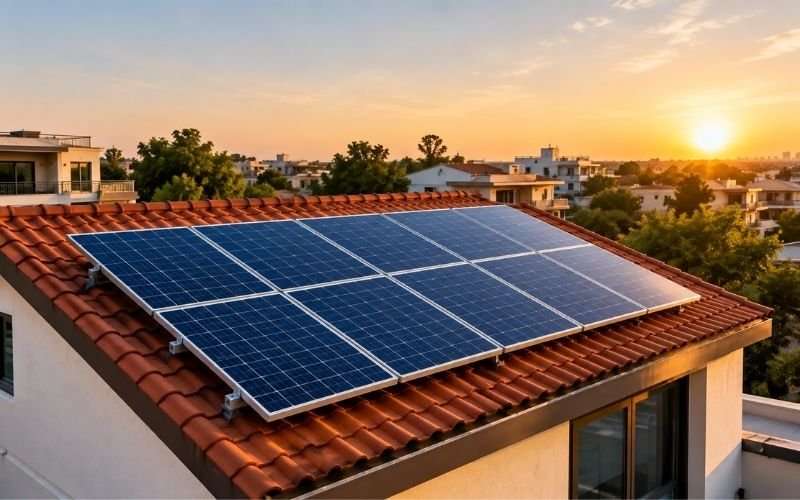
The supplied reference shows approximately ₹95,000 to ₹1.55 lakh after subsidy depending on city and variant.
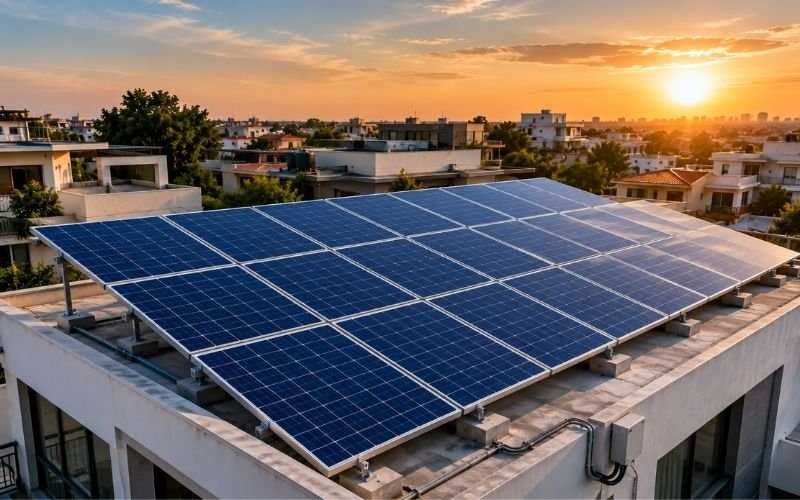
The supplied reference shows approximately ₹1.07 lakh to ₹1.73 lakh after subsidy depending on city and variant.
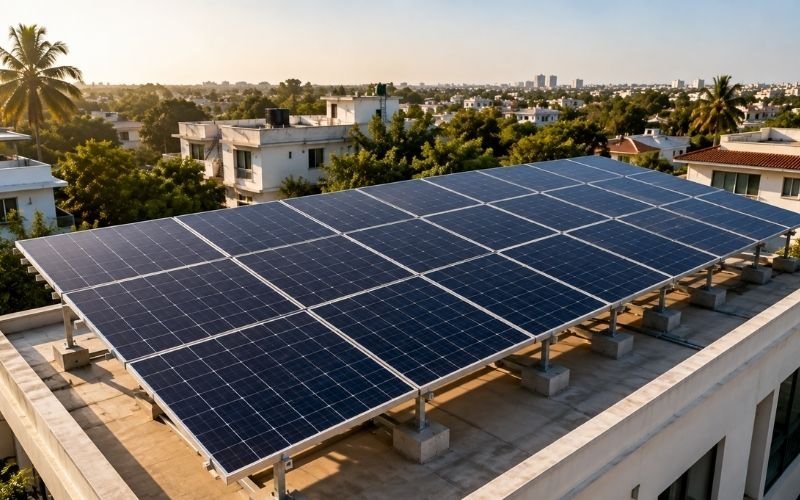
The supplied reference shows approximately ₹1.62 lakh to ₹2.62 lakh after subsidy depending on city and variant.
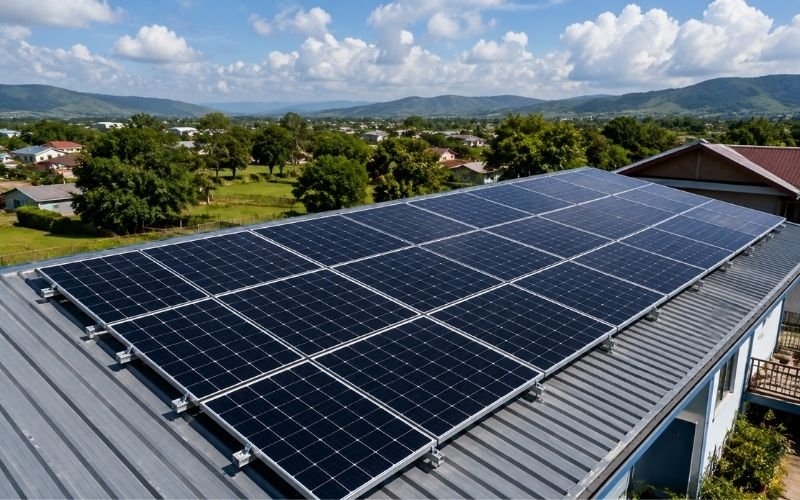
The supplied reference shows approximately ₹2.67 lakh to ₹3.07 lakh after subsidy depending on city and variant.
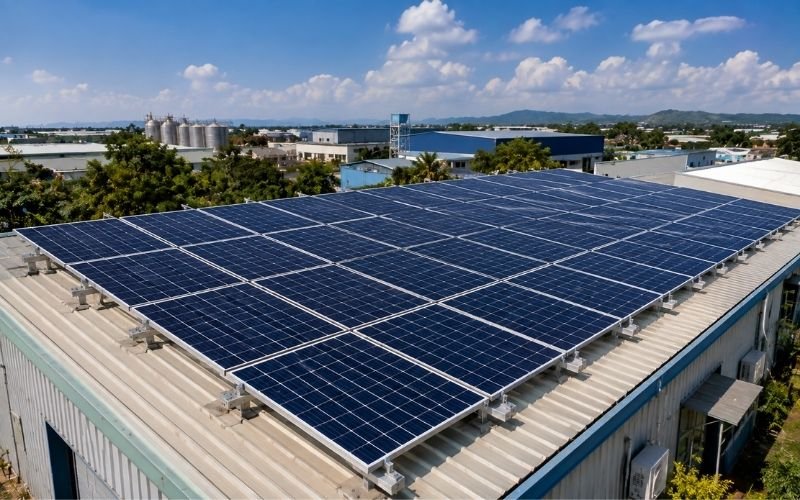
The supplied reference shows approximately ₹4.72 lakh to ₹5.67 lakh after subsidy depending on city and variant.
Prices shown here are indicative planning figures adapted from the supplied reference material and are not a Nexren quotation. Final pricing should be calculated after site assessment and confirmation of applicable subsidy, DISCOM and product requirements.
Why Choose On-Grid Solar?
When the system is correctly sized and professionally installed, on-grid solar can reduce purchased electricity and help you make better use of your available rooftop.
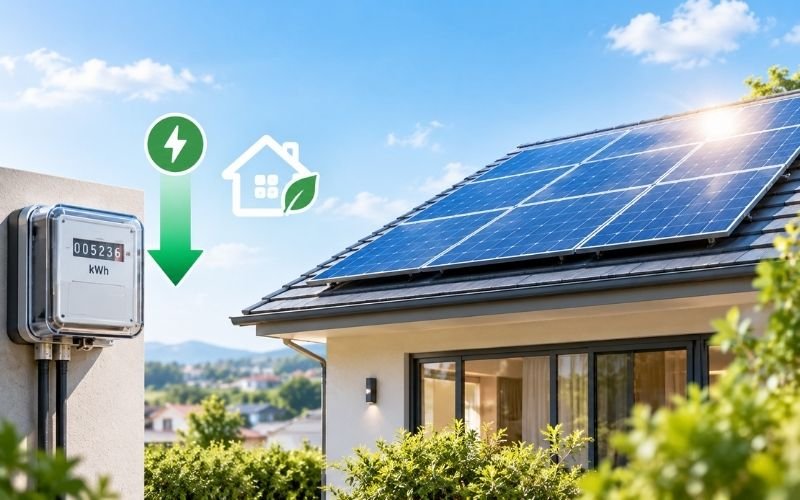
Use solar generation to reduce the amount of electricity you need to purchase from the grid.
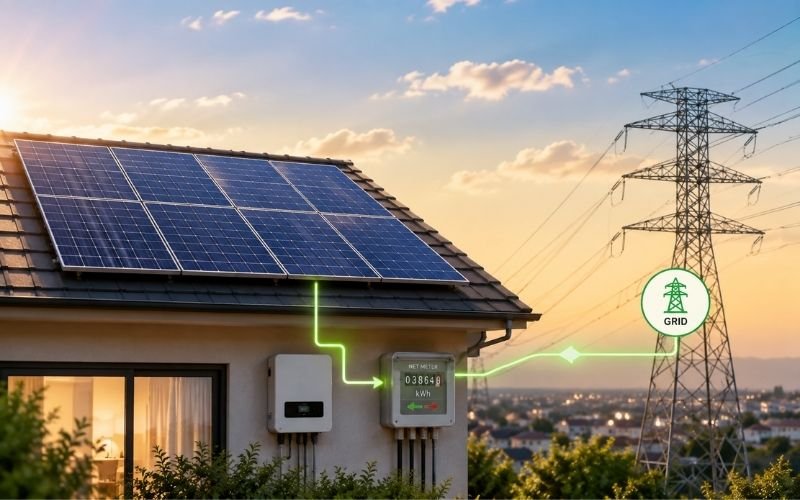
Excess generation can be exported to the grid where an approved net-metering arrangement applies.
Solar PV systems are designed for long operating lives when correctly installed and maintained.
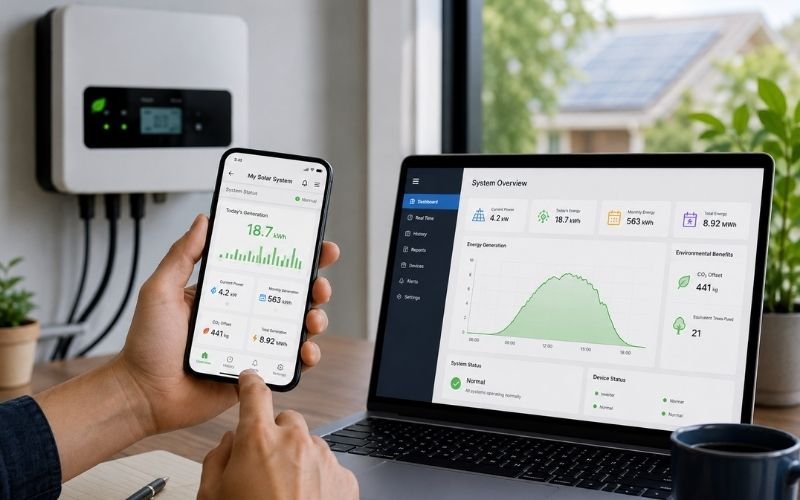
Monitor generation and system performance through available inverter or monitoring platforms.
Savings & ROI
Return on investment depends on your system cost, electricity tariff, solar generation, panel and inverter selection, roof conditions and maintenance.
The supplied reference uses a model where electricity tariffs increase over time and a well-maintained system experiences gradual annual degradation. Your actual savings will differ according to location, consumption and system performance.
| System | Indicative 25-Year Savings* | Reference ROI* |
|---|---|---|
| 2 kW | ~₹10.74 lakh | ~9x |
| 3 kW | ~₹16.11 lakh | ~11.8x |
| 4 kW | ~₹21.48 lakh | ~11.8x |
| 5 kW | ~₹33.46 lakh | ~14.1x |
| 10 kW | ~₹66.92 lakh | ~13.6x |
*Reference figures are indicative examples, not guaranteed Nexren savings or quotations. Actual ROI varies by site, tariff, generation, system cost and maintenance.
Solar Resources
Explore practical guides covering on-grid solar systems, pricing, subsidies, net metering, performance and related solar topics.
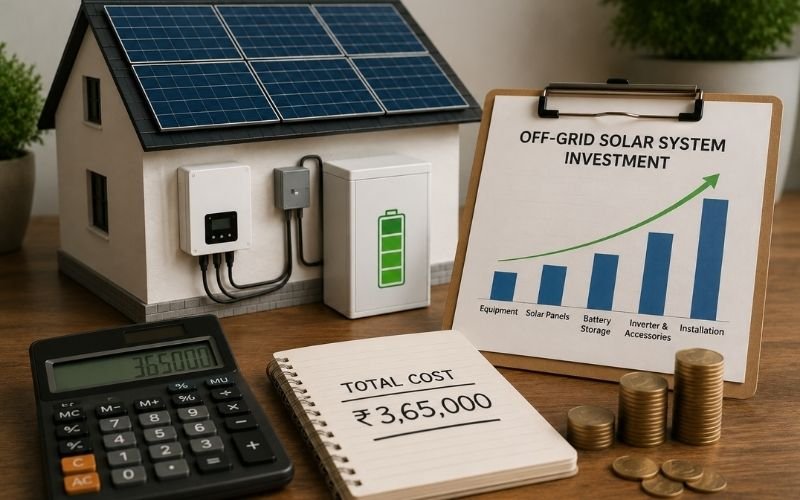
Thinking about installing solar panels for your home or business? The total cost of a solar system depends on several factors, including…
Read Article →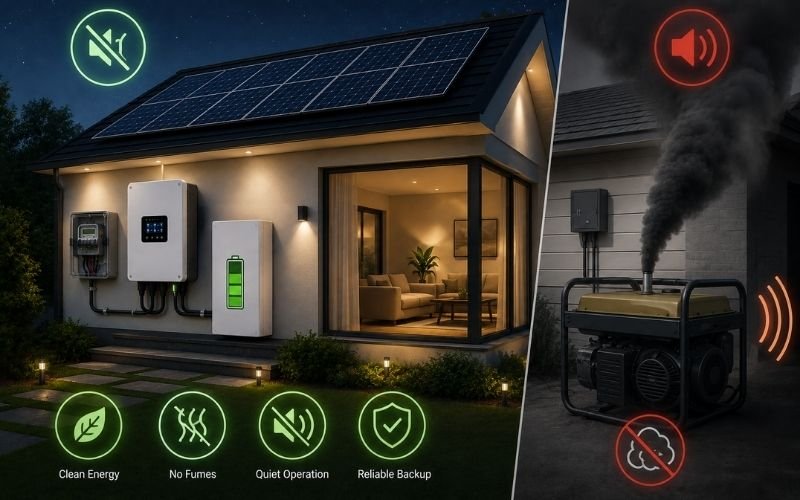
Choosing the right solar system depends on your electricity usage, grid connectivity, backup requirements, available space, and budget. While all solar systems…
Read Article →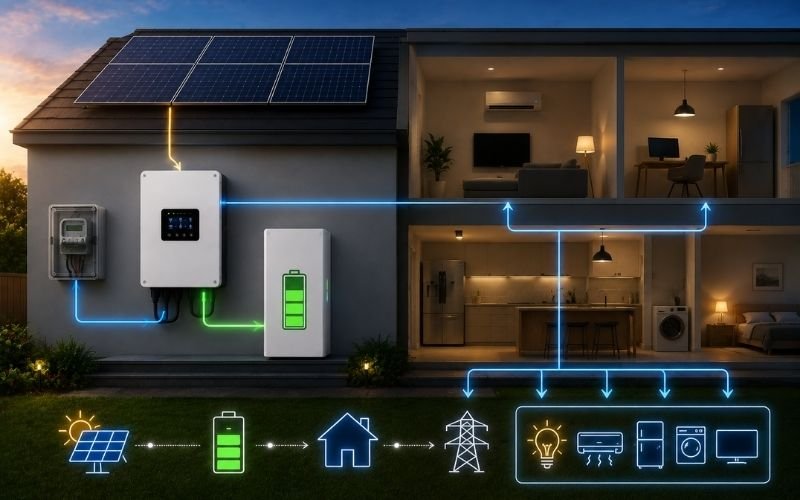
Choosing the right solar capacity is one of the most important decisions when planning a rooftop installation. A system that is too…
Read Article →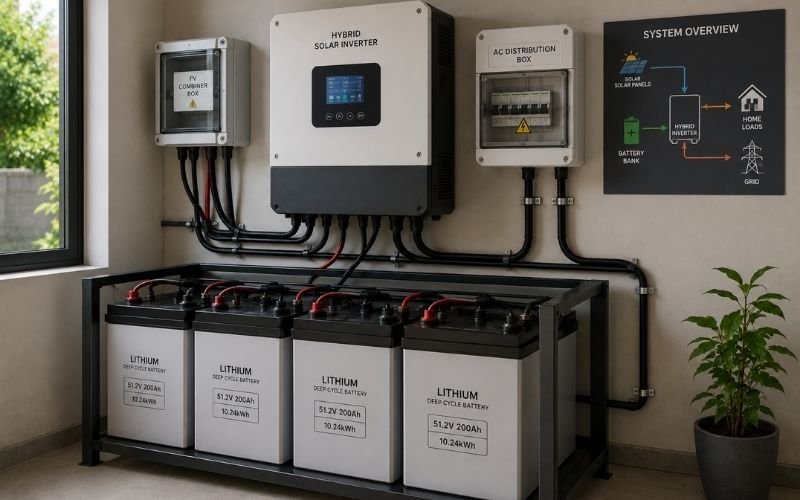
Solar battery storage allows you to store excess electricity generated by your solar panels during the day and use that stored energy…
Read Article →Frequently Asked Questions
An on-grid solar system is a grid-connected photovoltaic system. Solar power is generated on your property, used by your loads, and surplus generation may be exported to the grid through an approved bi-directional meter arrangement.
Standard on-grid systems do not normally require a battery bank. They use the utility grid when solar generation is unavailable or insufficient.
Where an approved net-metering or applicable export arrangement is available, surplus electricity can be sent to the grid and recorded by the bi-directional meter.
A standard grid-tied system normally shuts down when the utility grid is unavailable for safety reasons. Battery-backed or specially designed backup systems are different and should be assessed separately.
The cost depends on system capacity, city, DISCOM requirements, panels, inverter, mounting structure, roof conditions and installation scope. Use the indicative pricing on this page as a starting point, not as a final quotation.
The supplied reference describes central residential rooftop subsidy levels of ₹30,000 for 1 kWp, ₹60,000 for 2 kWp and ₹78,000 for 3 kWp and above. Eligibility and current programme rules should be confirmed before installation.
Solar PV systems are designed for long-term operation, but actual performance and lifespan depend on component quality, installation, environment and maintenance.
System sizing should consider electricity consumption, tariff, roof area, orientation, shading, local solar conditions and the desired financial outcome. A site assessment is the best way to determine the suitable capacity.