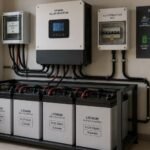

Installing rooftop solar can help homeowners reduce their dependence on grid electricity and lower long-term electricity costs. For eligible residential consumers in India, government financial assistance can also reduce the upfront cost of installing a rooftop solar system.
The PM-Surya Ghar: Muft Bijli Yojana is the central government programme supporting residential rooftop solar installations. The scheme was launched in February 2024 with the objective of supporting rooftop solar adoption among households across India.
However, homeowners should understand that a solar subsidy is not simply a discount offered by every solar installer. Eligibility, system requirements, installation, verification, documentation, vendor requirements, and applicable electricity-distribution rules all matter.
This guide explains how the rooftop solar subsidy works, who may be eligible, how the subsidy is calculated, what documents may be required, and what homeowners should check before installing a solar system in 2026.
What Is the PM-Surya Ghar: Muft Bijli Yojana?
The PM-Surya Ghar: Muft Bijli Yojana is a Government of India programme designed to support the installation of rooftop solar systems for residential households.
The scheme was launched on 13 February 2024 and has a total financial outlay of ₹75,021 crore. A major component of this allocation is Central Financial Assistance (CFA) for eligible residential consumers installing rooftop solar systems.
The programme is implemented through the national rooftop solar portal and involves the relevant electricity distribution company (DISCOM) in the installation and verification process.
For homeowners, this means the subsidy process should be considered as part of the official rooftop solar installation process rather than as a separate cash discount from an installer.
How Much Solar Subsidy Is Available in India?
Under the PM-Surya Ghar scheme structure, Central Financial Assistance for eligible residential rooftop solar installations is calculated based on the applicable benchmark cost and installed capacity.
The central CFA structure provides:
- 60% of benchmark cost for the first 2 kW
- 40% of benchmark cost for an additional 1 kW
- No additional central CFA beyond 3 kW
The residential subsidy is therefore capped at ₹78,000 for systems above 3 kW under the scheme's stated structure.
This does not mean that every homeowner will automatically receive ₹78,000.
The actual amount depends on the applicable scheme rules, eligible system capacity, benchmark costs, installation and verification requirements, and other conditions.
Example of the Subsidy Structure
| Solar Capacity | Central Financial Assistance |
|---|---|
| Up to 2 kW | 60% of applicable benchmark cost |
| Additional 1 kW | 40% of applicable benchmark cost |
| Above 3 kW | No additional central CFA |
| Maximum residential CFA | ₹78,000 under the scheme structure |
Homeowners should verify the applicable amount at the time of application because government programmes, procedures, benchmark costs, and implementation requirements can change.
Who Is Eligible for Rooftop Solar Subsidy?
The PM-Surya Ghar programme is primarily designed to provide financial assistance to eligible residential electricity consumers installing grid-connected rooftop solar systems.
Eligibility is not determined simply by owning a house.
The application and installation must satisfy the applicable programme and DISCOM requirements.
Before proceeding, homeowners should verify:
- Whether the electricity connection qualifies
- Whether the property is eligible
- Whether the proposed solar system meets the programme requirements
- Whether the selected vendor is eligible under the applicable process
- Whether the equipment and installation meet applicable requirements
- Whether the installation can be verified by the DISCOM
- Whether all required documents and application details are correct
Is the Solar Subsidy Available for All Solar Systems?
No.
Homeowners should not assume that every solar installation automatically qualifies for government subsidy.
The programme applies specific eligibility and implementation requirements.
The subsidy discussed under PM-Surya Ghar is associated with eligible residential rooftop solar installations. A commercial or industrial property should not automatically be assumed to qualify for the same residential CFA.
Similarly, installing a solar system independently without following the applicable process may affect subsidy eligibility.
This is why it is important to confirm the current scheme requirements before purchasing equipment or starting installation.
Does the Solar Subsidy Apply to On-Grid Solar?
The PM-Surya Ghar residential CFA is associated with eligible grid-connected rooftop solar installations.
This is important because homeowners sometimes use the terms "solar subsidy" and "solar installation subsidy" broadly.
An installer may offer:
- On-grid solar
- Off-grid solar
- Hybrid solar
- Battery-based systems
But subsidy eligibility should be checked against the specific government programme and current rules rather than assuming that every type of solar system receives the same assistance.
If subsidy eligibility is an important part of your project, confirm the system configuration before finalising the purchase.
Is There a Subsidy for Off-Grid Solar?
Homeowners should be careful with claims that a particular off-grid or battery-based system automatically qualifies for the same residential rooftop subsidy.
The PM-Surya Ghar CFA is structured around eligible residential rooftop solar installations and applicable programme requirements.
If you are considering an off-grid or hybrid system, ask the installer exactly which component and programme provision is being used to support any subsidy claim.
Do not make a purchase decision solely because an advertisement mentions a government subsidy.
What Documents May Be Required?
The exact documentation and process can depend on the application and DISCOM requirements.
Homeowners may need information such as:
- Electricity connection details
- Consumer/account information
- Applicant identification details
- Bank account information for applicable subsidy processing
- Property or installation details
- Solar system information
- Installation and vendor information
- Required photographs or verification information
The information submitted should match the electricity connection and application records.
Incorrect or incomplete information can cause delays in the process.
How Does the Rooftop Solar Subsidy Process Work?
While the exact process can depend on the current portal and DISCOM procedures, homeowners generally need to follow an official application and installation workflow.
Step 1: Check Your Electricity Connection
Start by confirming your electricity connection details and whether the connection is eligible for the applicable rooftop solar programme.
Step 2: Apply Through the Official Process
Applications are handled through the national rooftop solar portal and/or applicable DISCOM process.
Step 3: Select an Eligible Vendor
The installation should follow the applicable programme requirements and vendor process.
Homeowners should avoid selecting a vendor solely because they advertise the highest subsidy.
Instead, confirm:
- System capacity
- Panel specifications
- Inverter specifications
- Warranty
- Installation scope
- Applicable subsidy
- Expected generation
- Net amount payable
- DISCOM-related requirements
Step 4: Install the Solar System
The rooftop solar system is installed according to the approved system requirements.
Step 5: Inspection and Verification
The installation may need to be inspected or verified through the applicable DISCOM process.
Step 6: Subsidy Processing
Once the required installation and verification conditions are satisfied, the applicable CFA can be processed according to the scheme procedure.
Does the Subsidy Reduce the Solar Installation Cost?
Yes, where the homeowner is eligible and the installation qualifies for CFA, the financial assistance can reduce the homeowner's effective cost of the rooftop solar installation.
For example, if a system qualifies for ₹78,000 of central CFA, the eligible amount can reduce the effective financial burden.
However, homeowners should distinguish between:
Solar system price
and
Amount payable after applicable subsidy/CFA
Other project costs can still apply, including:
- Additional electrical work
- Structural work
- Metering-related charges
- Upgrades
- Battery storage
- Additional equipment
- Site-specific installation requirements
Therefore, always request a detailed quotation rather than comparing only the advertised subsidy amount.
Does Battery Storage Receive the Same Subsidy?
Homeowners should not automatically assume that the full cost of a battery system is covered under the residential rooftop solar CFA.
If you are considering a hybrid solar system with battery storage, ask the installer for a clear breakdown showing:
- Solar panel cost
- Inverter cost
- Battery cost
- Mounting structure
- Installation charges
- Electrical work
- Applicable subsidy/CFA
- Final amount payable
This prevents confusion between the subsidy applicable to the eligible rooftop solar installation and the cost of additional equipment.
What Solar System Size Should You Install?
Choosing the system size is an important decision because the subsidy structure should not be the only factor determining capacity.
For example, installing a larger system simply because you want a larger subsidy may not make sense if your property does not require that much solar generation.
Your system size should be considered based on:
- Monthly electricity consumption
- Annual electricity usage
- Rooftop space
- Roof orientation
- Shading
- Daytime electricity usage
- Future electricity requirements
- Available budget
- Battery requirements, if applicable
A professional solar assessment can help determine a suitable capacity.
Can You Get Subsidy for a 5 kW Solar System?
A homeowner may install a solar system larger than 3 kW, but the central residential CFA does not continue increasing beyond the applicable 3 kW limit.
Under the scheme structure, CFA is provided for the first 2 kW and an additional 1 kW, with no additional central CFA for capacity beyond 3 kW.
For example, a homeowner may choose a 5 kW system because their electricity consumption requires that capacity. However, the additional 2 kW does not create additional central CFA under this structure.
The decision to install a larger system should therefore be based on energy requirements rather than subsidy alone.
Solar Subsidy in Kerala
Homeowners in Kerala should consider both the central rooftop solar programme and the requirements of the relevant electricity distribution system.
For grid-connected rooftop solar, the installation process involves coordination with the applicable DISCOM.
The central PM-Surya Ghar programme provides the framework for residential CFA, while state-level implementation and electricity-related procedures can affect the actual application and connection process.
If you are planning a rooftop solar installation in Kerala, check the current requirements applicable to your electricity connection before finalising the system.
What Is Net Metering?
Net metering is an electricity-metering arrangement that can allow eligible grid-connected solar consumers to account for electricity exported to and imported from the grid according to applicable regulations.
For a rooftop solar customer, this can be relevant when the solar system produces more electricity than the property is consuming at a particular time.
The exact rules, capacity limits, application process, and settlement mechanism depend on the applicable regulatory and DISCOM framework.
Therefore, homeowners should confirm the current rules applicable to their location before estimating savings from exported solar electricity.
Why You Should Not Choose a Solar Installer Based Only on Subsidy
Government subsidy is important, but it should not be the only factor when comparing solar installers.
A solar system is expected to operate for many years, so homeowners should also consider:
Solar Panels
Check the panel manufacturer, model, specifications, warranty, and applicable programme requirements.
Inverter
The inverter is one of the most important components of a rooftop solar system. Compare its efficiency, warranty, monitoring features, and compatibility with the proposed system.
Installation Quality
Poor installation can affect system performance and long-term reliability.
Ask about:
- Mounting structure
- Waterproofing
- Cable management
- Earthing
- Electrical protection
- Installation workmanship
Warranty and After-Sales Support
Ask who will handle service and warranty claims after installation.
Expected Generation
A quotation should provide a realistic estimate of expected solar generation rather than promising unrealistic savings.
Documentation
Make sure the installer clearly explains the application, installation, verification, and subsidy process.
Beware of "Guaranteed Solar Subsidy" Claims
Homeowners should be cautious when an advertisement claims:
"Guaranteed ₹78,000 subsidy for everyone."
The actual subsidy depends on eligibility and the applicable government programme requirements.
The central residential CFA structure has a maximum of ₹78,000, but this should not be interpreted as an automatic payment to every homeowner.
Before paying an advance, ask the installer:
- Am I eligible for the subsidy?
- What system capacity qualifies?
- What subsidy amount is expected?
- Is the amount a central CFA or another incentive?
- Is the quoted subsidy already included in the price?
- What happens if the application is rejected?
- Who handles the DISCOM process?
- What documents do I need to provide?
- When is the subsidy expected to be processed?
- What amount will I actually have to pay?
Getting these answers in writing can prevent misunderstandings.
How to Calculate Your Effective Solar Cost
A simple way to understand the project is:
Total eligible solar project cost − applicable subsidy/CFA = effective cost after subsidy
However, this should be treated as a simplified explanation.
The actual quotation may contain additional costs that are not necessarily included in the eligible benchmark calculation.
For this reason, compare the complete project quotation, not just the subsidy amount.
Is Solar Subsidy Available for Commercial Properties?
The residential CFA discussed under PM-Surya Ghar is intended for eligible residential consumers.
Commercial, industrial, institutional, and other properties should not assume that the same residential subsidy applies.
If you are installing solar for:
- A shop
- Office
- Factory
- Warehouse
- Hotel
- Hospital
- Commercial building
you should check the incentives and regulations applicable to that category rather than using the residential subsidy figure as an estimate.
What Should Homeowners Check Before Applying?
Before starting a rooftop solar project, create a simple checklist.
Electricity
- Check your average monthly electricity consumption.
- Review your electricity bills.
- Confirm your electricity connection details.
- Check applicable DISCOM requirements.
Property
- Assess available rooftop space.
- Check for shading.
- Inspect the roof condition.
- Consider future construction or roof changes.
Solar System
- Determine the required capacity.
- Compare panel specifications.
- Compare inverter specifications.
- Consider battery requirements.
- Check warranties.
Subsidy
- Confirm eligibility.
- Check the current CFA rules.
- Confirm the applicable subsidy amount.
- Understand the application process.
- Confirm installation and verification requirements.
Installer
- Check vendor eligibility.
- Get a detailed quotation.
- Ask about installation quality.
- Confirm after-sales support.
- Get warranty information in writing.
Frequently Asked Questions
How much is the solar subsidy in India in 2026?
Under the PM-Surya Ghar residential CFA structure, assistance is calculated for the first 2 kW and an additional 1 kW, with no additional central CFA beyond 3 kW. The maximum residential CFA is ₹78,000 under the stated scheme structure.
Who can get rooftop solar subsidy?
The programme is intended for eligible residential electricity consumers installing qualifying rooftop solar systems. Eligibility and installation requirements should be verified through the official process and relevant DISCOM.
Is ₹78,000 subsidy guaranteed?
No. ₹78,000 represents the maximum residential CFA under the stated central scheme structure. The actual assistance depends on eligibility, applicable capacity, benchmark costs, and completion of the required process.
Can I get a subsidy for a 5 kW solar system?
A 5 kW system can be installed where appropriate, but the central CFA does not increase beyond the applicable 3 kW subsidy limit under the scheme structure.
Is solar subsidy available in Kerala?
Eligible residential consumers in Kerala can participate in the applicable central rooftop solar programme, subject to the relevant eligibility, installation, and DISCOM requirements.
Does solar subsidy cover batteries?
Homeowners should not assume that battery storage receives the same CFA as the eligible rooftop solar capacity. The applicable programme provisions should be checked before purchasing a battery-based system.
How do I apply for solar subsidy?
The PM-Surya Ghar programme uses the national rooftop solar portal and the applicable DISCOM process. Homeowners should follow the current official application and installation procedure.
How long does it take to receive the subsidy?
The timing can depend on application processing, installation, inspection, verification, documentation, and the applicable DISCOM and portal process. Homeowners should confirm the current expected timeline when applying.
Can I install solar first and claim the subsidy later?
Do not assume that installing the system independently and applying afterward will automatically qualify. Follow the applicable official process and confirm the requirements before starting the installation.
Can businesses get the same ₹78,000 subsidy?
The ₹78,000 figure relates to the residential CFA structure. Businesses and other non-residential consumers should check the incentives applicable to their specific category.
Final Thoughts
The availability of government financial assistance can make rooftop solar more accessible for eligible residential consumers, but the subsidy should be viewed as one part of the overall solar investment decision.
The PM-Surya Ghar: Muft Bijli Yojana provides a central framework for supporting eligible residential rooftop solar installations, with CFA structured around the first 2 kW and an additional 1 kW of capacity. The maximum residential CFA under the stated structure is ₹78,000.
However, subsidy eligibility should never be assumed solely from an advertisement or quotation.
Before installing solar, verify the current government requirements, confirm your eligibility, understand the DISCOM process, compare the complete system cost, and choose a system based on your actual electricity requirements.
For homeowners in Kerala and across India, a properly assessed rooftop solar system can help reduce electricity costs while making better use of available solar energy.
Planning to install rooftop solar? Contact Nexren Energy to discuss your electricity consumption, rooftop requirements, system capacity, and available solar options.